How to Pack Glassware Safely for Long-Distance Moves
Glassware is one of those moving categories that looks simple right up until the first box rattles. Then the reality lands: stems snap, rims chip, and a single badly packed carton can undo an entire afternoon of careful work. If you are planning a long-distance move, learning how to pack glassware safely is not just a nice-to-have. It is one of the easiest ways to reduce damage, save money, and arrive with your favourite everyday items intact.
This guide walks you through the full process in plain English: the right materials, a reliable packing method, the mistakes that cause breakages, and the small details that make a big difference on a bumpy road. If you are booking professional support, it can also help to compare services such as packing and unpacking services, home moves, or a flexible man with a van option for smaller relocations.
Let's face it: glass does not forgive laziness. The good news is that a careful system works remarkably well.
Why Safe Glassware Packing Matters
Long-distance moves put packed items through more handling, more vibration, more turns, and more time in the van. Glassware feels fragile because it is fragile: small gaps let pieces move, and movement creates pressure points. A cupboard-distance move across the road is one thing; a multi-hour journey across counties is another entirely.
The biggest risk is not only outright smashing. Micro-cracks, edge chips, and stress fractures can show up later, especially on items you use daily. That means the damage can be hidden until the first wash after the move, which is a frustrating discovery no one wants.
Good packing also protects the rest of your household goods. Broken glass can cut through paper, scratch ceramics, and contaminate neighbouring items. So safe glassware packing is really part of a wider damage-prevention strategy. If you are arranging a fuller move through removals or removal services, it is worth treating fragile packing as its own mini-project rather than something you do at the end in a rush.
The rule is simple: if glass can shift, it can break. If it can be cushioned and immobilised, it stands a far better chance.
That is why moving teams often give fragile items separate attention, and why many households choose support from experienced movers or a dedicated removal company when there are plenty of breakables to handle.
How the Packing Method Works
The basic principle behind secure glassware packing is controlled suspension. You want each item wrapped, separated, and packed so it cannot collide with the box or with its neighbours. In practice, that means three layers of protection:
- Inner protection around each item, usually paper or bubble wrap.
- Void filling to stop movement inside the box.
- Structural support from a sturdy carton that can carry weight without crushing.
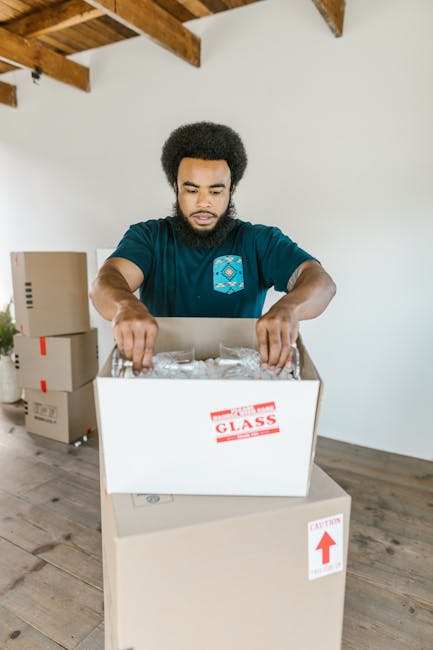
For cups, tumblers, wine glasses, and small bowls, the packing sequence is usually similar. Wrap each piece individually, pad the base, place heavier items lower down, and fill every empty space. For delicate stems and crystal, the method becomes more conservative: more padding, smaller groupings, and fewer items per carton.
The reason this works is mechanical, not magical. Impact energy travels when items are allowed to move. A tightly packed, well-cushioned box absorbs shock and spreads pressure out. That is exactly what you want on a long motorway run or a stop-start city route out of London.
If you are moving from a busy area and need a vehicle that can handle careful loading and unloading, pages like moving van, removal van, or man and van removals can be useful places to start comparing options.
Key Benefits and Practical Advantages
Safe packing is not only about damage prevention. It also makes the whole move feel calmer and more organised. When glassware is packed properly, unpacking is faster and less stressful, and you are less likely to discover broken pieces buried under kitchenware on day two.
Here are the main advantages:
- Lower breakage risk during transport and handling.
- Less cleanup if a box is jostled or tipped.
- Faster unpacking because items are grouped logically.
- Better space use in the box and in the vehicle.
- Less stress when you know fragile items were packed correctly.
There is also a financial upside. Replacing a complete set of glasses, stemware, or a sentimental glass serving collection can be annoying and expensive. A few extra metres of packing paper and a couple of reinforced boxes are usually a very good trade-off.
For households wanting a more hands-off move, house removals or house removalists can provide the logistical side while you focus on the contents. That balance often makes the most sense for long-distance relocations.
Who This Is For and When It Makes Sense
This guide is for anyone moving glassware over a meaningful distance, but some people will benefit more than others. If your move involves more than a short local run, careful packing becomes much more important.
You will especially want to use these methods if you are:
- Moving a full household kitchen.
- Transporting fragile crystal, stemware, or fine glassware.
- Combining your move with other boxed belongings in one van.
- Sending items to storage before settling into your new home.
- Relocating from a flat with stairs, narrow hallways, or limited access.
It also makes sense for renters who need to be out by a certain time and want to avoid last-minute damage, and for people moving to or from busier postcodes where loading windows are tight. In those cases, services like removals near me, house movers, or even a local-area page such as London removals support can help narrow the next step.
Commercial users also need to think this way. Offices moving glass awards, display items, or kitchen crockery should not rely on a generic box-and-hope approach. In those settings, organised packing saves time on both ends.
Step-by-Step Guidance
Here is the practical method. Keep it simple, consistent, and patient. Rushing is how glassware ends up as a bin liner full of regret.
1. Gather the right materials first
Before you touch a glass, make sure you have enough supplies. Stopping halfway to hunt for more paper is how corners get cut.
- Small to medium sturdy boxes
- Packing paper or clean unprinted paper
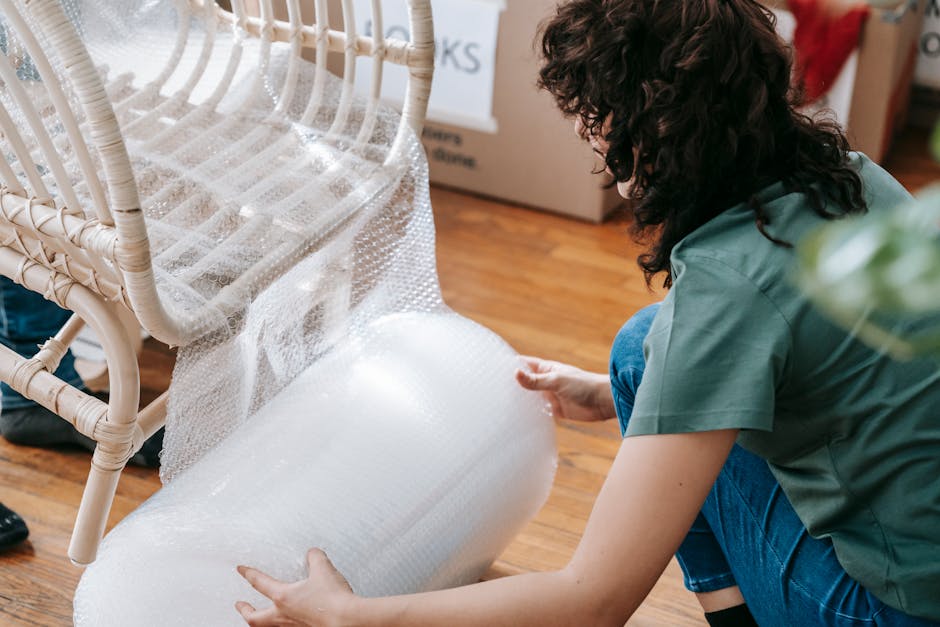
- Bubble wrap for especially delicate pieces
- Strong tape
- Marker pens and labels
- Cardboard dividers, if available
Choose boxes that are manageable when full. A tiny box stuffed with heavy glasses is safer than a huge carton that becomes awkward and unstable.
2. Sort items by fragility and shape
Group everyday tumblers together, stems together, and heavier mugs separately. Keep delicate crystal away from thick glass and anything with an awkward handle or stem. Sorting first means you can pack similar items in the same box and reduce pressure mismatch.
One practical trick: pack the same type of item together. A box of wine glasses behaves differently from a box of tumblers, and mixing them increases the chance of one shape creating a pressure point for another.
3. Prepare the box base
Use scrunched paper, folded cardboard, or a soft base layer to cushion the bottom. The base should not be flat and hard. A little spring helps absorb impact when the box is set down.
If the box has weak seams, reinforce them with tape. A box full of glass should never rely on a single thin strip of adhesive. That is one of those decisions that looks fine until it is very much not fine.
4. Wrap each item individually
Take one glass at a time. Wrap it fully, with extra attention to rims, stems, handles, and bases. For stemware, cushion the stem and bowl separately if the piece is especially fine or decorative. For everyday glasses, a snug paper wrap is often enough, provided the box is properly filled.
Do not let wrapped pieces knock together while you work. Place them in a separate staging area as you go.
5. Pack vertically where possible
Many glasses are safer standing upright than lying on their sides. That keeps pressure off rims and reduces rolling. After placing the first layer, add more paper between each item so there is no free movement.
For very delicate items, use fewer pieces per box. It is better to use an extra carton than to overfill one and gamble on the drive.
6. Fill every gap
Once the glasses are in, fill all remaining spaces with paper or soft packing material. Shake the box gently. If you hear movement, add more cushioning. You want a firm, slightly compressed finish, not a loose one.
That sounds obvious, but in practice many people stop too early. Empty space is the enemy.
7. Seal and label clearly
Tape the top well, then label the box on multiple sides. Use words like FRAGILE, THIS WAY UP, and KITCHEN - GLASSWARE. Clear labels matter when boxes are being loaded quickly and stacked in a van.
If you are using a wider removal service, good labelling also helps the crew separate fragile cartons from general household items. That is useful whether you booked a full-scale option through removal services or a smaller man with van removal.
8. Load with care
Glassware boxes should sit above heavier items, not beneath them. Keep them away from anything that can leak, crush, or move around. A stable position in the vehicle matters just as much as the packing itself.
If you can, place fragile cartons in a section that will not be repeatedly shifted during unloading. That small bit of planning saves a lot of risk.
Expert Tips for Better Results
Once the basics are in place, the following details can make a noticeable difference on a long journey.
- Use smaller boxes for heavier glass. A compact, dense carton is safer than a large unstable one.
- Double-wrap very valuable pieces. This is particularly wise for crystal, heirloom sets, and fragile stems.
- Keep packing consistent. One box packed well and another packed loosely is a recipe for uneven damage.
- Pack kitchen glasses before the final day. You will pack better when you are not tired and rushing.
- Reserve a "first-night" box. Put a few everyday items aside so you are not opening every carton at once.
Here is a simple but often overlooked point: the person packing is usually not the person who will carry the box out to the van. That means your packing should survive an extra person's grip, a stair turn, and a brief stop on the driveway. Build for that reality, not for the ideal version in your head.
If you know the move will involve tight access, long carries, or several heavy items, it may be worth pairing your packing work with a service like man and van or checking an established about us page so you understand who is handling your belongings.
Common Mistakes to Avoid
A lot of glass damage comes from a handful of avoidable errors. If you skip these, your odds improve quickly.
Using oversized boxes
Big boxes invite overpacking, shifting, and awkward lifting. They also tempt people to mix glassware with heavier kitchen items, which is exactly what you do not want.
Leaving hollow spaces
Even a beautifully wrapped glass can break if it has room to move. Void fill is not optional. It is the thing that turns a loose collection of objects into a stable load.
Packing mixed weights together
Heavy mugs, bowls, and glass tumblers should not be jammed together with fine wine glasses. Different thicknesses need different treatment.
Forgetting to reinforce the base
A weak bottom seam is a classic failure point. If the box gives way, the rest of your careful work becomes irrelevant very quickly.
Using newspapers that smudge
Old newspapers can work as filler, but ink transfer is a real annoyance on some glass surfaces. Clean packing paper is usually the safer choice for visible or decorative items.
Not testing for movement
Give each packed box a gentle shake before taping it fully. If anything shifts, repack. That two-second check can save you a long cleanup later.
To be fair, most people only make these mistakes once. Glass has a way of teaching lessons sharply.
Tools, Resources and Recommendations
You do not need specialist equipment, but a few good tools make the job easier and safer.
| Item | Why it helps | Best use |
|---|---|---|
| Small double-walled boxes | Better structure and less crushing risk | Heavier glassware and mixed fragile items |
| Packing paper | Flexible surface protection without residue | Wrapping everyday glasses and filling voids |
| Bubble wrap | Extra cushioning for delicate pieces | Crystal, stems, and sentimental items |
| Cardboard dividers | Separates individual items inside the carton | Sets of drinking glasses or stemware |
| Marker labels | Makes fragile boxes easy to identify | All cartons, especially when loading with others |
If you are packing a full home, you may find it helpful to combine your own preparation with professional support through packing and unpacking services or a wider house movers package. That is often a sensible compromise when you want the fragile items handled with care but still prefer to keep control of the household essentials.
For people moving in or out of busier parts of the capital, local pages such as Islington, Chelsea, or Wimbledon can also help you find service coverage that fits your area.
Law, Compliance, Standards, or Best Practice
Glassware packing is not usually a heavily regulated task in itself, but there are still sensible standards and responsibilities to keep in mind, especially if you are using a removals provider. In the UK, good practice generally means that the moving process should be handled in a way that is careful, transparent, and proportionate to the risk of damage.
If you are hiring a mover, ask about their handling process for fragile items, any insurance considerations, and what is expected of you as the customer. A reputable business will usually be clear about how items should be packed, loaded, and declared. If you want to understand how a provider approaches these issues, pages like insurance and safety, health and safety policy, and terms and conditions are worth reviewing.
There is also a practical compliance angle for commercial or office moves. Fragile stock, glass display items, and catering glass should be packed in line with internal risk procedures and site access rules. If the move involves business assets, you may also want to review a service such as commercial moves or office relocation services.
Best practice, in plain terms, means this: pack responsibly, label honestly, and do not overload boxes beyond what one person can lift safely. That is good for your belongings and better for everyone handling them.
Options, Methods, or Comparison Table
There is more than one way to pack glassware, but not every method suits long-distance moving. Here is a simple comparison.
| Method | Pros | Cons | Best for |
|---|---|---|---|
| Basic paper wrap | Quick, cheap, easy to source | Less cushioning for very delicate items | Everyday tumblers and sturdy glasses |
| Paper plus dividers | Good separation and neat packing | Needs suitable cartons and more time | Mixed kitchen glassware |
| Bubble wrap and paper | Strong protection for fragile shapes | Bulkier and slightly slower to pack | Crystal, stems, and heirloom pieces |
| Professional packing service | Less stress, more consistency | Higher cost than DIY packing | Large homes, busy schedules, high-value items |
If you have a modest kitchen and time to prepare, DIY packing is perfectly reasonable. If you are moving a full property, juggling work, or dealing with a lot of fragile glass, professional help can be worth it. A flexible option like man with van removal or a broader removal companies search can help you compare what makes sense for your move.
Case Study or Real-World Example
Picture a couple moving from a one-bedroom flat in South London to a new home outside the city. Their kitchen includes everyday drinking glasses, a few wine glasses, several mugs, and two sentimental crystal tumblers inherited from family. The journey is not extreme, but it is long enough for repeated vibration, loading, and unloading to matter.
They start two days before the move. The mugs and everyday glasses go into small cartons with paper filler. The crystal items are wrapped individually, then double-padded and packed into a separate box with extra void fill. Each carton is labelled clearly and stacked so the fragile boxes are loaded last and kept upright. They also keep one small box of glasses for the first night, so they are not forced to open everything immediately.
At the new home, every box arrives intact. More importantly, unpacking is calm. Nothing has become a mystery pile of broken fragments, and nothing needs to be replaced. That is the real win: not just safety in transit, but a move that still feels organised at the end.
In many cases, this is where services like man and van removals and movers fit well. They give you transport support while you keep control over the packing standard that matters most.
Practical Checklist
Use this before the move day arrives.
- Sturdy small or medium boxes ready
- Plenty of packing paper or clean filler
- Bubble wrap for fragile or valuable pieces
- Boxes reinforced at the base
- Each glass wrapped separately
- No loose spaces inside the carton
- Heavier items kept lower in the box
- Rims, stems, and handles protected carefully
- Boxes clearly labelled fragile and upright
- Fragile cartons loaded securely in the vehicle
- First-night essentials separated from the rest
- Insurance and service terms reviewed if using movers
Expert summary: if the box can be shaken and nothing moves, you are on the right track. If it rattles, repack it. That simple rule solves a surprising amount of trouble.
Conclusion
Knowing how to pack glassware safely for long-distance moves is really about reducing small risks before they become expensive ones. Wrap each item carefully, use compact strong boxes, fill every gap, label clearly, and load fragile cartons with common sense. Do those basics well and you will dramatically improve the odds of an easy unpack at the other end.
The process does not need to be complicated. It just needs to be consistent. A calm, methodical approach almost always beats a rushed one, especially when you are moving over a long distance and the road will do more shaking than you would like.
If you want support with the rest of the move, explore options such as removals, removal services, or local coverage through removals near me so you can choose a setup that matches your schedule and your fragile items.
Get a free quote today and see how much you can save.
Frequently Asked Questions
What is the safest way to pack glasses for a long move?
Wrap each glass individually, use a small sturdy box, fill all empty spaces, and keep the box upright during transport. The key is preventing movement.
Should glassware go in cardboard dividers or just paper?
Both can work. Paper is fine for many everyday glasses, but dividers add another layer of separation and are especially helpful for stems and sets.
Can I use towels instead of packing paper?
Yes, for some sturdier items. Towels are useful for cushioning, but they can be bulky and less precise than paper. For delicate glassware, paper and bubble wrap are usually better.
How many glasses should go in one box?
Enough to make the box efficient, but not so many that it becomes heavy or tight. Smaller boxes with fewer items are safer for long-distance moves.
Is bubble wrap necessary for all glassware?
No. Everyday glasses often only need paper wrap and proper void fill. Bubble wrap is more useful for fragile, valuable, or sentimental pieces.
What is the biggest mistake people make when packing glassware?
Leaving empty space inside the box. Even well-wrapped glasses can break if they are allowed to move during transit.
Should I pack glassware before or after other kitchen items?
Usually before the final rush. It helps to pack fragile items early, while you still have energy and enough materials to do the job properly.
How do I label fragile glass boxes correctly?
Write clear labels on at least two sides, such as FRAGILE, THIS WAY UP, and KITCHEN - GLASSWARE. Clear labels make handling easier for everyone involved.
Do removal companies pack glassware for me?
Some do, and some offer partial packing or unpacking support. It depends on the service level, so always check what is included before booking.
Is it worth paying for packing services just for glassware?
It can be, especially if you own crystal, a large set of glasses, or items with sentimental value. Even partial help can take pressure off the move.
How can I stop wine glasses breaking in transit?
Protect the stem and bowl separately if needed, pack them upright, use plenty of cushioning, and keep them in a compact box with no free movement.
What should I do with chipped or cracked glasses before moving?
Decide whether they are worth keeping. If you do move them, wrap them separately and clearly mark the box. If not, recycle them safely where possible.
Can glassware be packed with plates and ceramics?
It is usually better not to mix them unless the box is carefully segmented. Different shapes and weights create extra pressure points.
Where can I find help for a London move?
You can look at local and service pages such as London, home moves, or specific area pages like Putney and Fulham to narrow your options.