DIY vs Professional Packing: Cost, Time and Risk Compared
Moving house or office has a way of turning even the calmest person into a label-maker with a mild panic habit. Boxes appear everywhere, tape disappears, and that one fragile lamp suddenly feels very important. If you are weighing up DIY vs Professional Packing: Cost, Time and Risk Compared, you are really asking a practical question: what saves money without creating a headache later?
The honest answer is that both approaches can work. DIY packing can be cheaper upfront, but it often costs more in time and carries more risk if you are rushed or packing awkward items. Professional packing usually costs more, yet it can reduce stress, improve protection, and keep the move moving on schedule. In this guide, we break down cost, time, risk, and the situations where each option makes sense, with plain-English advice you can actually use.
If you are moving within London or further afield, the details matter more than people expect. A flat in Kensington is not the same as a family home in Croydon, and a two-desk office in Shoreditch is a different beast again. Let's get into it properly.
Why DIY vs Professional Packing: Cost, Time and Risk Compared Matters
Packing is one of those moving tasks that looks simple until you are three hours in and still trying to find the bottom of the box pile. The choice between DIY and professional packing affects more than the total bill. It changes how long your move takes, how much lifting and sorting you must do, and how likely it is that something arrives chipped, squashed, or forgotten in a cupboard.
Cost, time and risk are linked. If you save money by packing yourself, you may spend those savings in lost hours, extra materials, or replacement items. If you pay for a professional service, you are buying efficiency and structure as much as labour. Truth be told, a lot of moving stress comes from underestimating the packing stage, not the van ride.
This matters especially when you have one of the following:
- fragile items such as glassware, artwork, mirrors, or electronics
- limited time because of work, school runs, or a tight completion date
- stairs, narrow hallways, or parking restrictions
- an office move where downtime is expensive
- health or mobility limits that make packing physically awkward
In London, there is often an added layer of complexity. Parking can be a puzzle, lifts may be small, and access windows can be short. If your move also involves a van or removal support, pages like man with a van and removal services may be useful for planning the bigger picture too.
How DIY vs Professional Packing: Cost, Time and Risk Compared Works
At its simplest, DIY packing means you supply the materials, do the wrapping and boxing, label everything, and manage the sequence yourself. Professional packing means trained packers bring the materials, sort and wrap items carefully, pack them in an organised way, and usually work to a tighter timetable.
DIY packing in practice
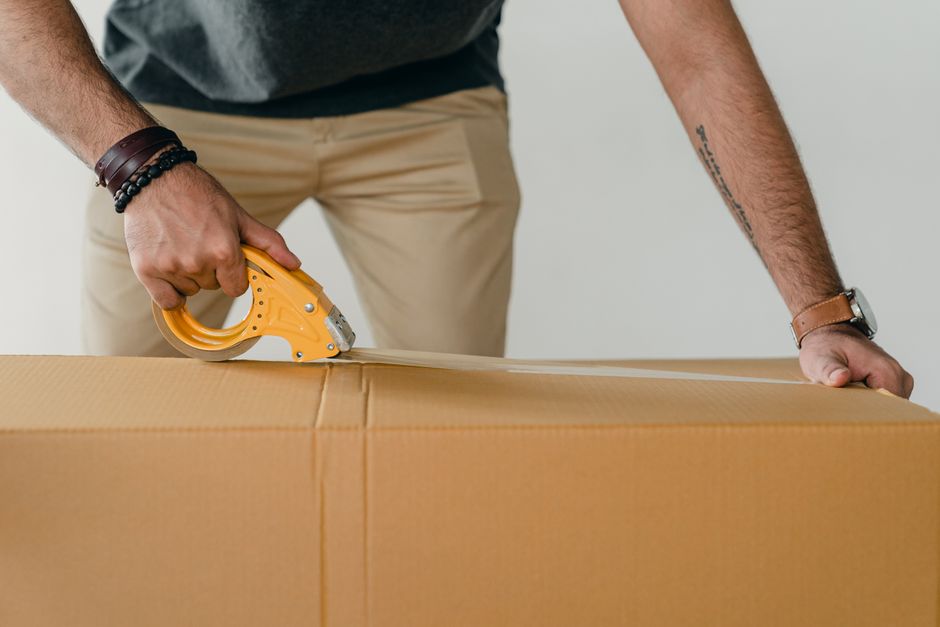
DIY packing usually starts with collecting boxes, tape, paper, bubble wrap, markers, and a bit of courage. You pack room by room, deciding what goes where and how much protection each item needs. You are also the quality control department, which can be both empowering and slightly exhausting.
It works well when you have time, patience, and relatively standard household goods. It can become messy fast if you leave it too late. The last-night-before-moving scramble is rarely elegant. We have all seen it: half-full boxes, one suitcase of "important bits", and a kettle that somehow gets packed with printer cables. Very efficient, that.
Professional packing in practice
Professional packing services are designed to reduce friction. A team arrives with materials, packs the fragile and general contents methodically, labels boxes, and often groups items by room or use. For offices, the process can also include numbering desks, filing systems, and equipment so reinstallation is simpler on the other end.
The main advantage is consistency. Good packers tend to know how to protect awkward items, prevent overfilled boxes, and speed up the whole move without turning it into chaos. That said, a professional service still works best when you have made decisions in advance about what is going, what is being disposed of, and what should stay accessible.
What is actually being compared?
When people compare DIY and professional packing, they are usually comparing four things at once:
- Materials cost - boxes, tape, wrap, labels, mattress covers, wardrobe cartons, and so on.
- Labour cost - your own time versus a paid team.
- Damage risk - breakage, crushing, moisture exposure, mislabelling, or loss of small items.
- Move-day efficiency - whether the van can be loaded quickly and in order.
The real trick is to stop thinking only about the price tag. A cheap option that creates delays or damage can feel expensive very quickly.
Key Benefits and Practical Advantages
Both approaches have strengths. The best choice depends on your deadline, budget, and how much you value peace of mind. Here is the simple version.
Benefits of DIY packing
- Lower upfront cost if you already have materials or can source them cheaply.
- Full control over how items are grouped and packed.
- Flexible pacing if you want to pack over several evenings or weekends.
- Better familiarity with your own belongings, especially personal or sentimental items.
DIY can be a good fit when you are moving a small home, you have plenty of notice, or the contents are mostly straightforward. A one-bedroom flat with mostly soft furnishings and clothing is a very different project from a family home full of fragile keepsakes.
Benefits of professional packing
- Time savings because a team can do in hours what may take you days.
- Reduced stress on the final day, which is no small thing.
- Better handling of fragile items due to experience and suitable materials.
- More organised loading so unpacking becomes easier later.
- Useful for businesses where time away from work matters.
Professional packing is often the calmer choice for busy families, older movers, or anyone dealing with expensive, bulky, or delicate items. If you are already planning a bigger move, it may also sit neatly alongside home moves or packing and unpacking services.
The hidden advantage people overlook
One big advantage of professional packing is not just speed. It is decision relief. A decent packer helps remove hundreds of small choices: which box size to use, how much cushioning is enough, what should be wrapped separately, what can safely go together. That mental load is real. You notice it most on a Friday evening, standing in a hallway surrounded by open boxes and wondering why this seemed like a good idea.
Who This Is For and When It Makes Sense
Let's make this practical. Different people need different solutions.
DIY packing usually makes sense if you are:
- moving on a tight budget
- packing well in advance
- comfortable organising and labelling carefully
- moving mostly non-fragile household goods
- working with a small property or limited contents
Professional packing usually makes sense if you are:
- short on time or juggling work and family life
- moving a large home or office
- packing fragile, valuable, or awkward items
- dealing with stairs, limited access, or parking restrictions
- wanting the move to feel more managed and less frantic
There are also hybrid situations, and these are often the smartest. You might pack clothes, books, and soft goods yourself, then bring in professionals for kitchenware, artwork, mirrors, electronics, or office equipment. That middle-ground approach can control cost without creating unnecessary risk.
For London moves, the geography matters too. A move in central areas like central London may involve tighter time slots and more access issues than a move in a quieter suburban street. That does not automatically mean professional packing is essential, but it does make planning more important.
Step-by-Step Guidance
If you are unsure which route to take, work through the decision in stages. It keeps the process less emotional and more useful.
Step 1: List what you actually need to pack
Start with categories, not chaos. Write down the contents of each room and mark the awkward items: fragile glass, heavy books, flat-pack furniture, electronics, ornaments, files, and anything sentimental. You may think you "only have a few things", then the kitchen turns out to be a small branch of a crockery museum.
Step 2: Estimate your available time
Be realistic. Not optimistic. Realistic.
If you have evenings after work, estimate how much you can genuinely do without burning out. If you have only a weekend, professional packing begins to look more attractive, especially for larger homes. Time pressure is one of the biggest reasons DIY packing goes wrong.
Step 3: Compare material and labour costs
For DIY, include more than just boxes. Think about:
- tape and dispensers
- packing paper or wrap
- specialty cartons for mirrors, wardrobes, or TVs
- labels and markers
- replacement materials if you run short
For professional packing, ask what is included. Some services bundle materials, while others itemise them. A fair comparison should also include the value of your own time. If you are taking time off work or losing a weekend, that has a real cost even if it does not show on the invoice.
Step 4: Assess risk item by item
Not everything needs the same level of care. A stack of towels is one thing. A ceramic lamp from your grandmother is another. Decide where you can safely DIY and where you would rather hand over responsibility.
Step 5: Choose a packing approach
Most people land on one of three approaches:
- Full DIY for maximum savings and control.
- Full professional packing for speed, convenience, and lower stress.
- Hybrid packing to balance budget and protection.
Hybrid is often the sweet spot. Honestly, it is the option many households should choose but rarely think about first.
Expert Tips for Better Results
These are the small things that make a large difference. They are not glamorous, but they save hassle.
Pack by room, then by priority
Keep like with like. If you start mixing kitchen items with random cupboard bits, unpacking becomes a treasure hunt. Pack the least-used rooms first and leave essentials for last.
Use the right box sizes
Small boxes are better for books and dense items. Bigger boxes are fine for lightweight things like bedding and cushions. Overfilling is one of the most common reasons boxes fail. It also makes lifting awkward, which nobody needs on moving day.
Protect breakables properly
Wrap fragile items individually and avoid empty spaces. A loose item inside a box will move around in transit, and movement is the enemy. Use enough padding that the contents feel secure when you gently shake the closed box.
Label with detail, not just room names
Instead of "kitchen", write "kitchen - mugs and plates - fragile". That one small habit saves time later and helps movers place boxes more sensibly.
Keep a first-night box aside
This box should contain the basics: kettle, toiletries, chargers, snacks, bin bags, a change of clothes, and any medication. You will be grateful for it when you arrive tired and slightly rumpled, with no desire to hunt through twelve identical boxes.
For professional packing, prepare the space first
Clear walkways, separate items to keep, and remove obvious rubbish. The packers can then move efficiently instead of constantly checking what stays and what goes. That sounds obvious, yet it makes a huge difference.
One more thing: do not over-control the process if you have hired professionals. Point out fragile or sentimental items, then let the team work. That balance tends to produce the best outcome.
Common Mistakes to Avoid
Most packing mistakes come from rushing or assuming all items need the same treatment. They do not.
- Leaving packing too late and then trying to do everything in one exhausted burst.
- Using damaged or weak boxes that buckle under weight.
- Overpacking large boxes with books, cutlery, or files.
- Skipping labels and creating confusion at the other end.
- Not separating valuables such as passports, jewellery, or key documents.
- Forgetting to measure awkward furniture before the move.
- Assuming professional packing means no preparation on your part.
A subtle mistake people make is packing emotionally important items with general household clutter. You might not need a special box for every keepsake, but you do want to know exactly where the essentials are. That one photo frame or memory box should not vanish into the abyss of "miscellaneous bedroom stuff".
Tools, Resources and Recommendations
You do not need fancy equipment, but the right basics make a real difference.
Useful packing tools
- strong double-walled boxes for heavier or fragile contents
- packing tape and a reliable dispenser
- bubble wrap or paper for cushioning
- labels or a marker pen for clear room-by-room identification
- scissors or a box cutter for safe opening and trimming
- wardrobe boxes for clothing on hangers
- covers for mattresses, sofas, and mirrors
Resources worth considering
If your move includes furniture that needs careful handling, a service like furniture pick up can help with bulky pieces that complicate packing plans. If you are moving within a specific part of the city, local area pages such as London can also give you a sense of the service area and route options.
It can also help to review company information before booking. Pages like pricing and quotes, insurance and safety, and health and safety policy are useful when you want a clearer picture of how a provider works.
Recommendation in plain terms
If you are doing DIY packing, buy slightly better materials than you think you need. Cheap boxes and weak tape are a false economy. If you are booking professionals, ask exactly what is included so there are no surprises on the day. Simple, but important.
Law, Compliance, Standards, or Best Practice
For most household moves, packing itself is not heavily regulated in the way some specialist work is. Still, good practice matters. Proper lifting techniques, clear walkways, sensible box weights, and safe handling of glass or sharp items reduce the chance of injuries and damage.
If you are moving an office, there is usually a stronger expectation of care around equipment, confidential records, and business continuity. That does not require legal drama, thankfully, but it does mean planning the sequence carefully so work can restart quickly. Good office moves often rely on sensible inventory control, labelled equipment, and a clear handover plan.
From a customer perspective, it is wise to check whether a removal provider has clear terms, safe working practices, and appropriate cover for transit and handling. If you are comparing providers, pages like removal company and removal companies can help frame the kind of service standards to look for.
There is also a sustainability angle. Reusing boxes where possible, recycling clean packing materials, and avoiding unnecessary waste are all sensible best practices. The move goes smoother, and the post-move mess is a bit less, well, annoying.
Options, Methods, or Comparison Table
Here is a straightforward comparison to help you decide.
| Factor | DIY Packing | Professional Packing | Hybrid Approach |
|---|---|---|---|
| Upfront cost | Usually lower | Usually higher | Moderate |
| Time required | High | Low | Medium |
| Damage risk | Depends on skill and time | Usually lower for fragile items | Lower for selected items |
| Stress level | Can be high near moving day | Usually lower | Moderate |
| Control over packing | Very high | Shared with the team | High where you pack yourself |
| Best for | Budget-conscious, organised movers | Busy households, fragile items, offices | People wanting balance |
Key takeaway: DIY is cheapest only if your time is available and your contents are straightforward. Professional packing is most valuable when speed, protection, and calm are worth paying for. Hybrid packing is often the practical middle path.
Case Study or Real-World Example
Picture a family moving from a two-bedroom flat in West London. They have a small amount of furniture, a lot of books, a surprising number of kitchen gadgets, and a few fragile items they care about deeply. They first considered full DIY packing because the budget was tight. Sensible enough.
Then they mapped the actual workload. Between work, school pick-up, and a limited move date, they realised packing would spill into evenings and the final weekend. That meant tired decision-making, rushed wrapping, and likely stress on moving day. Instead, they chose a hybrid approach: they packed clothing, books, and general storage themselves, and used professionals for the kitchen, glassware, mirrors, and artwork.
The result was not magic, just better planning. They reduced cost versus a full packing service, protected the most fragile items properly, and avoided the last-minute panic that tends to appear at about 9 p.m. the night before moving. To be fair, that is when most packing regrets are born.
For a business move, the logic is similar but the cost of delay is even greater. If a team in office removals needs to resume work quickly, professional packing often pays for itself in reduced downtime, better labelling, and fewer lost items.
Practical Checklist
Use this quick checklist before you decide how to pack.
- List every room and estimate how much there is to pack.
- Separate fragile, valuable, and awkward items.
- Check your moving date and how many hours you truly have.
- Compare the cost of boxes, tape, wrap, and specialty materials.
- Decide whether you want full DIY, full professional packing, or a hybrid approach.
- Ask what is included if you are getting a professional quote.
- Prepare a first-night box for essentials.
- Label boxes clearly and consistently.
- Keep documents, valuables, and personal items with you.
- Confirm parking, access, and building restrictions in advance.
If you can tick most of those off without feeling overwhelmed, DIY may be fine. If the list already feels like a second job, a professional service starts to look very reasonable.
Conclusion
Choosing between DIY and professional packing is not really about which one is "better" in a general sense. It is about which one suits your timeline, budget, property type, and tolerance for risk. DIY packing can absolutely work well, especially for smaller or simpler moves. Professional packing brings clarity, speed, and protection, especially when the contents are fragile or the schedule is tight.
The most sensible answer for many people is a blend of both. Pack what is easy, hand over what is risky, and keep enough energy for the day itself. Moving is tiring enough without making every box a mini project.
If you are still deciding, speak to a removal specialist, ask clear questions, and compare the real cost of your time against the quote in front of you. A well-planned move feels lighter from the start, and that is worth a lot.
Get a free quote today and see how much you can save.
And if you need a calmer moving day, that is a very good place to begin.
Frequently Asked Questions
Is DIY packing always cheaper than professional packing?
Not always. DIY usually lowers the upfront bill, but the real cost can rise if you need to buy more materials, take time off work, or replace items damaged through poor packing. Professional packing costs more at the start, but it can reduce waste, stress, and the chance of breakage.
How much time does professional packing save?
It depends on the size of the move, but a professional team can often pack in hours what might take a household several evenings or a full weekend. The bigger the home, the more noticeable the time saving tends to be.
What items should I never pack myself if I can avoid it?
Fragile, valuable, or awkward items are usually best handled carefully. That includes mirrors, artwork, glassware, electronics, and anything sentimental that would be hard to replace. You can pack them yourself, of course, but the risk is higher if you are rushed or inexperienced.
Is hybrid packing a good idea?
Yes, for many people it is the best balance. You can pack non-fragile items yourself and leave the delicate or bulky pieces to professionals. That keeps costs under control while reducing the chance of damage where it matters most.
Do professional packers bring their own materials?
Usually, yes, though the exact setup depends on the provider. Some include boxes, wrap, and tape in the service, while others charge separately. Always ask for a clear breakdown before booking so you can compare quotes properly.
How far in advance should I start packing if I do it myself?
As early as practical. For a small move, a couple of weeks may be enough if you are organised. For a larger household, starting earlier is much safer. Packing a little at a time is usually far less stressful than trying to do it all in one burst.
Is professional packing worth it for a small flat?
Sometimes, yes. If you have little free time, fragile items, or a tight moving schedule, the convenience can be worth the cost even in a smaller property. If your contents are mostly straightforward and you have time, DIY may be perfectly sensible.
How can I reduce the risk of damage with DIY packing?
Use strong boxes, do not overfill them, wrap fragile items individually, label clearly, and keep heavy items in small boxes. Taking your time helps too. Rushed packing is where many problems start.
What should I ask a professional packing company before booking?
Ask what materials are included, how fragile items are handled, whether they label rooms or items, how long the packing is expected to take, and what insurance or cover is in place. Those questions help you compare services on something more useful than price alone.
Does professional packing help with office moves?
Yes, often a great deal. Offices benefit from quicker packing, clearer labelling, and less downtime. If staff need to get back to work quickly, a professional team can help keep the move organised and reduce disruption.
What if I want to pack some items myself and leave the rest?
That is completely normal. Many people pack clothes, books, and personal items themselves, then hire help for fragile or bulky contents. Just be clear about which items you want the team to handle so there is no confusion on the day.
How do I know which option is best for my move?
Use three questions: how much time do you have, how much can you comfortably spend, and how much risk can you tolerate? If any of those answers are tight, professional packing or a hybrid approach may be the safer choice. If you have time and the contents are simple, DIY can work very well.